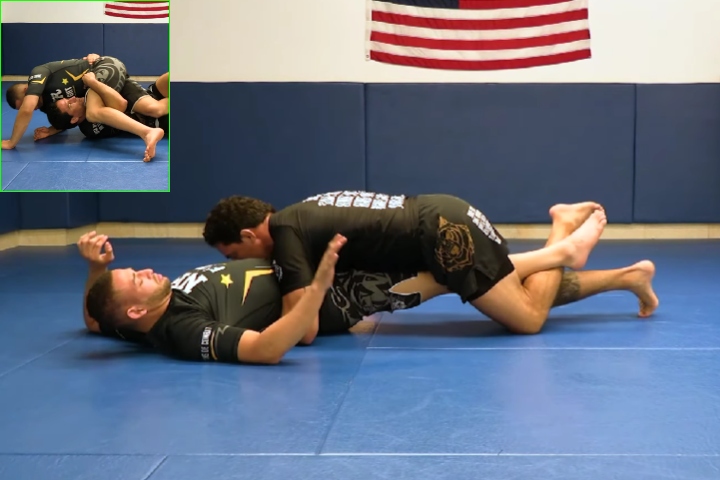
As a beginner it’s quite often the hardest to figure out how a sweep works. Submissions are somewhat easier. You grab onto the isolated limb and apply pressure but working a sweep quite often takes way more effort.
Sweeps are of course even harder if you’re on the smaller side, heaven forbid a female. But still there are sweeps that tend to work if you execute the steps correctly and don’t even require that much drilling and practiced timing.
How good is your Half Guard game? If it isn’t that good, you should start improving it immediately – simply because there are so many sweeping options from it. But at the same time, after you get the sweep, you gain a lot of opportunities for an immediate submission, too.
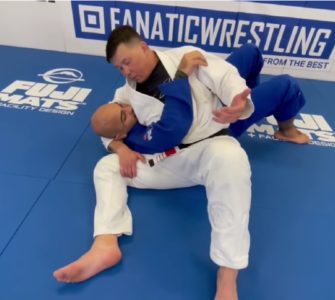
Here’s one such opportunity. Try this Half Guard Sweep to Kneebar setup as soon as you can:
Develop a Style That Almost Nobody Else On The Mats Knows How To Prepare For With Unusual Fight-Ending Moves That Really Work From Luta Livre Black Belt Jarbem Pacheco.
- Set up unorthodox attacks from positions where your opponent thinks he is safe.
- Attack legs from the bottom of half guard to sweep and finish.
- Gain a different approach to submissions that your training partners won’t see coming.
- Be the most unpredictable person on the mats.