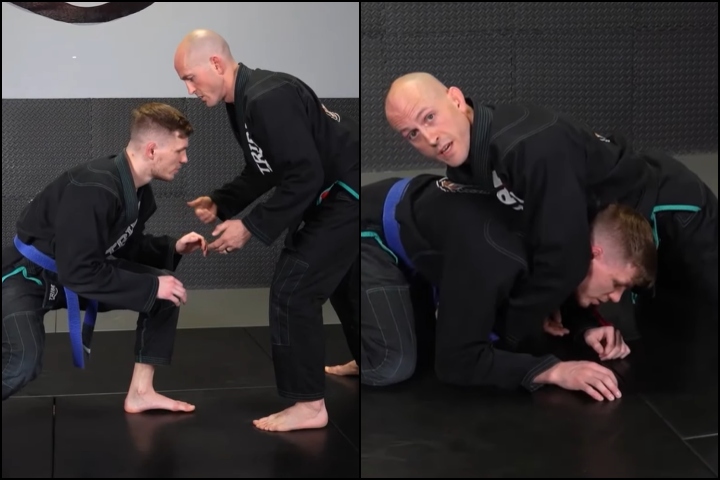
A “sprawl” is a defensive technique used to escape takedown attempts. It is commonly used in mixed martial arts and grappling-based combat styles such as Brazilian Jiu-Jitsu and wrestling. When executed correctly, a sprawl often leaves you on top of your opponent in a position called the top sprawl position. There are multiple ways to go about attacking your opponent from the top sprawl position. You can either go for their neck with chokes like the anaconda choke, grab their ankles and advance to a more dominant position or even force your opponent to carry all your weight as they fight their way back to their feet.
Sprawling is also an effective way to defend against most single and double-leg takedowns in mixed martial arts.
One of the best and most frequent takedown defenses you’ll be using in Jiu-Jitsu is the sprawl.
Especially when it comes to Double Leg takedowns.
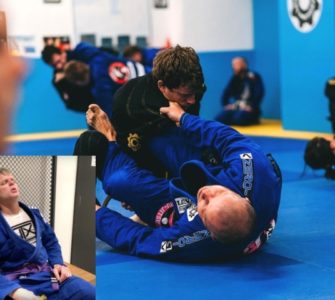
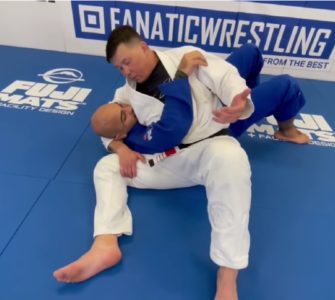
Here’s how to use the sprawl against the Double Leg, as shown by Casey Milliken:
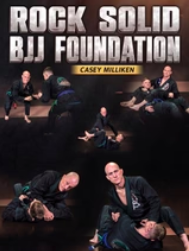
Black Belt Casey Milliken Shows You How To Build A Strong Base Of Brazilian Jiu-Jitsu Technique With These Lessons On Escaping, Controlling, and Submitting On The Mat!
- Learn how to escape bad positions like side control, mount, back control, and more as you keep yourself in the fight with proper defensive technique
- Wrestle your way to top position with Casey’s coaching on how to shoot and score with double legs, single legs, combinations, and more – including defense!