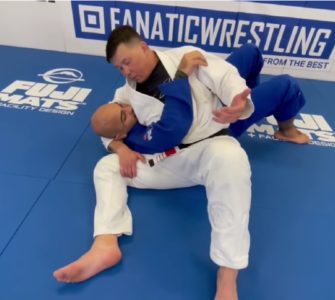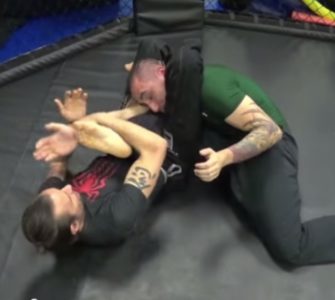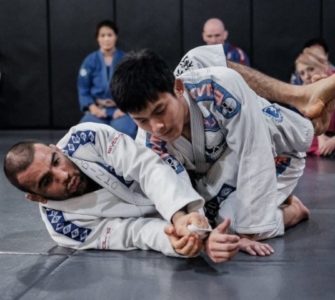
Being in Closed Guard is almost never an exciting task. Your sole purpose while you’re inside it is to break free; to somehow open up the space between you and your opponent, so as to escape the danger of staying in the position… And to transition to a more dominant one.
However, before you start escaping it, you have to make yourself comfortable. For, if you’re panicking and can’t compose yourself, you’ll rarely ever get around to making your escape.
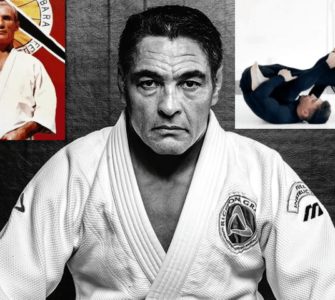
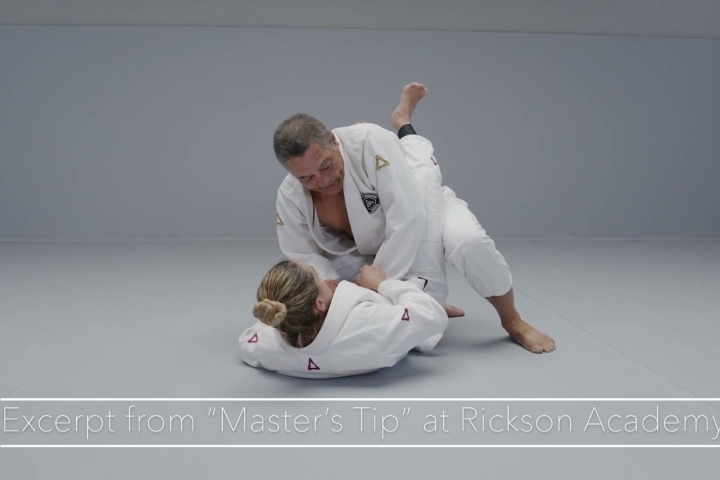
Luckily for you, the legendary Rickson Gracie recently published a video in which he explains how to get and stay comfortable inside your opponent’s Closed Guard.
Check out his tips below.
RICKSON GRACIE’S TIPS FOR BEING COMFORTABLE INSIDE CLOSED GUARD
Rickson emphasizes that you first have to – surprise, surprise – take care of your posture. That is to say, you first have to make sure that you’re not slouching forward and that you’re sitting comfortably on your backside. If your posture is like so, it’ll be much more difficult for your opponents to break it.
An additional, equally important aspect to keeping your posture proper, is to keep your elbows tucked in. If your arms are purposelessly flailing around, you’ll be much more susceptible to not just having your posture compromised; but also to getting submitted.
Rickson Gracie shares more of his tips on the video below. Make sure to learn and use them the next time you roll: