Catch Wrestling is a classical hybrid grappling style that was developed in Britain circa 1870 by J. G. Chambers, then later refined and popularised by the wrestlers of travelling funfairs who developed their own submission holds, or “hooks”, into their wrestling to increase their effectiveness against their opponents. The training of some modern submission wrestlers, professional wrestlers and mixed martial artists is founded in catch wrestling.
The most famous ambassador of catch wrestling today is UFC fighter Josh Barnett. At Metamoris 4, Barnett did what no man had done until then, he submitted BJJ black belt Dean Lister with a choke from side control. Lister hadn’t been finished in the past 17 years. It was a big victory for Catch Wrestling.
So you want to turn it up a notch against your favorite training partner, right?
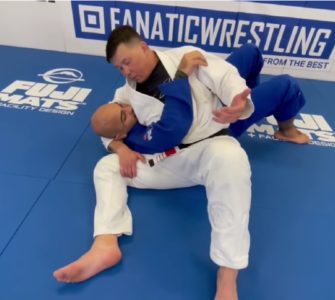
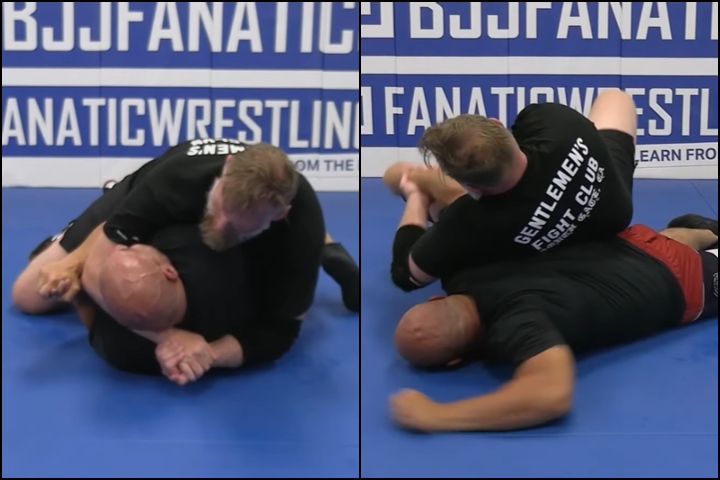
Here’s a submission sequence they’ll “appreciate” a lot – Cross Side Choke to Fujiwara!
Josh Barnett demonstrates this sequence on the video below:
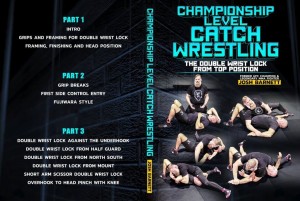
Legendary MMA Heavyweight Josh Barnett teaches his catch wrestling principles and concepts for the dynamic double wrist lock.
- The double wrist lock is a kimura variation, that you can supercharge with these catch-as-catch-can secrets that have been passed down to Josh – learn this new style of grappling excellence: see all the catch details for getting the lock, controlling the position, and using it to get the submission in this total technical approach.