Rest days are incredibly important. They are an opportunity for your body to recover from hard training and get ready for the upcoming training sessions as well.
However, they often don’t come easy for the majority of BJJ practitioners, as missing out on mat time can feel like they’re not getting the mental clarity that they’re used to after training.
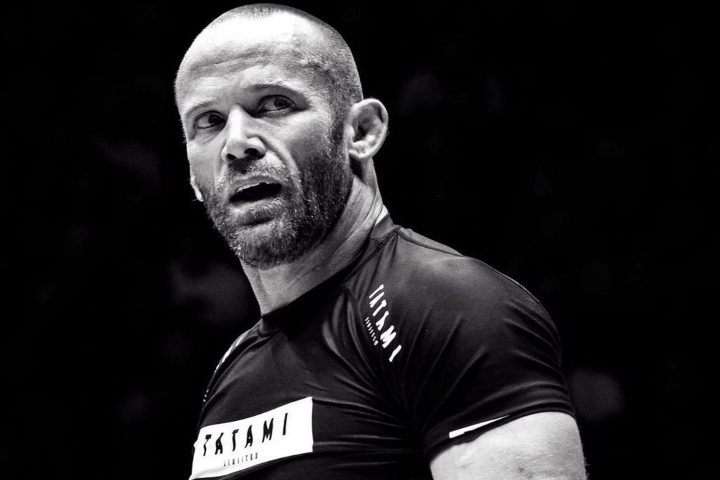
Josh Hinger tends to feel the same way.
Here are some of his thoughts on rest days and mental health:
After some stem cell injections in my elbow I was told absolutely no training for at least 1-2 weeks.
It’s incredibly difficult for me not to train. Especially since I feel fine physically, even my elbow feels okay, not that it ever stopped me before.
I feel like I’m taking rest days that I didn’t earn.
I have no problem taking 2-3 days of rest, but they need to be earned.
Hinger explains that he feels somewhat lost when out of training:
Not training definitely takes a toll on my mind.
Training has become so deeply ingrained in my psyche/identity and my daily routine that when I can’t do it I feel completely lost.
Like wtf am I doing with myself?
View this post on Instagram
And how do you feel after not training for a while? Let us know!