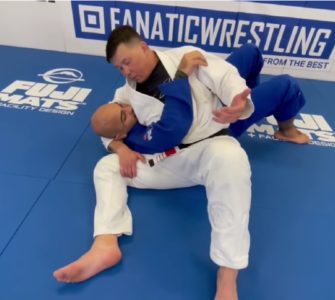
The mount position is one of the most dominant controlling positions in BJJ. It is one of the fundamental positions in Jiu-Jitsu and is arguably one of the most valuable lessons a student will learn that can be applied in a self-defense situation. Landing in the mount is a common position to be in a fight, so learning how to utilize it for offense and learning how to escape it can really be helpful.
Ever been in a situation when you’re in Mount, holding the position comfortably, thinking that your training partner cannot escape it…
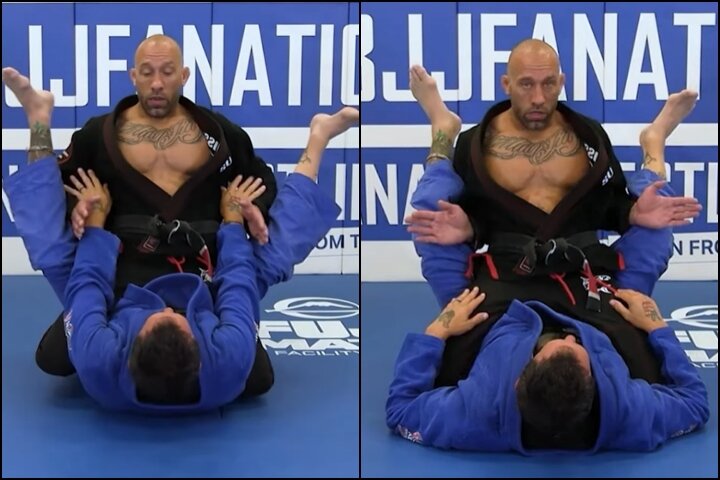
And then they launch their legs up in front of you – pushing you off with them?
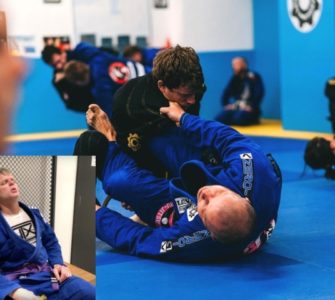
Well, here is how to counter that Mount “leg escape” technique in Jiu-Jitsu.
Kyle Sleeman demonstrates on the video below:
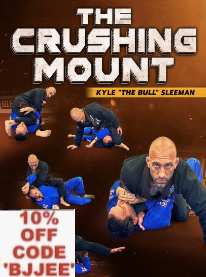
Learn Everything There Is To Know About The Mount And Become The Dominant Opponent You’re Meant To Be With Black Belt Kyle “The Bull” Sleeman.
- Utilize both simple and advanced techniques to get to the mount from positions such as side control, Kesa Gatame, half guard, and more.
- Discover the proper tools for maintaining the mount by grapevining the legs and understanding the importance and how to dominantly use the cross face and underhooks.