Becoming a master in Brazilian Jiu-Jitsu is a journey that involves years of dedicated practice, learning, and teaching. The term “master” is often associated with achieving a high level of skill and knowledge, and in BJJ, this is usually signified by attaining a black belt and beyond.
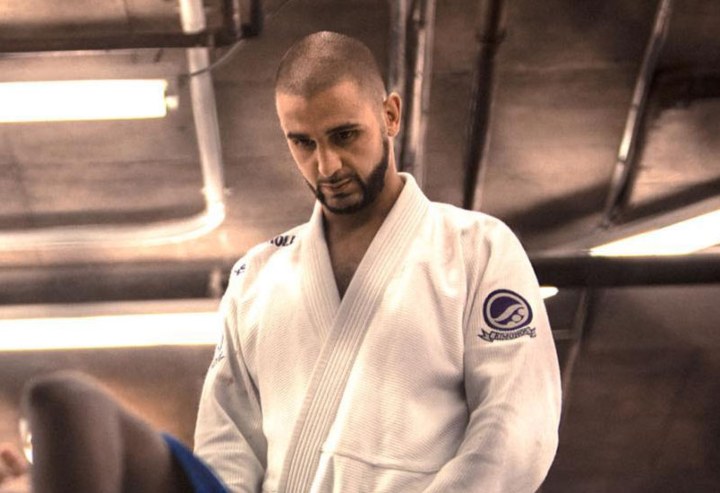
Fame MMA and BJJ coach Firas Zahabi offers a general outline of the steps and considerations on the path to mastery in BJJ and in martial arts:
1.Consistency is Key: Zahabi emphasizes the paramount importance of consistency. He illustrates this with examples of ordinary people performing exceptional tasks with sheer regularity, equating their skills to that of black belts in their respective fields. “It’s the daily, regular practice that hones skill to excellence,” he explains.
2.Practice with Purpose: Going beyond mere consistency, Zahabi advises practitioners to train with specific goals. He suggests setting a quota or objective for each training session, like aiming to pass the guard a certain number of times or working on guard retention. This targeted approach leads to significant improvement.
3. Fitness and Discipline: Zahabi stresses the importance of maintaining fitness and discipline alongside technical goals. He believes that setting fitness goals is as important as setting Jiu-Jitsu or boxing goals. “It’s about the holistic development of a martial artist,” Zahabi says.
4.Learning Through Teaching: Reflecting on his experiences as a trainer, Zahabi highlights the value of practical application. He notes that teaching and practicing what you preach helps in understanding the feasibility and effectiveness of techniques. This approach also makes for a more empathetic and realistic instructor.
5.Unique Abilities in Martial Arts: Discussing the variability of skill among practitioners, Zahabi points out that certain techniques may work exceptionally well for some but not for others. He shares the example of a student with an extraordinarily effective half-guard sweep, underscoring the individual nature of skill and technique in martial arts.
6.Martial Arts and Character Building: Zahabi touches upon the broader impacts of martial arts on character and mental toughness. He believes martial arts, like wrestling, should be an integral part of children’s upbringing, contributing to their overall development.
7. Embracing the Uniqueness of Each Practitioner: Zahabi closes by emphasizing the uniqueness of each martial artist’s skill set. He encourages practitioners to discover and nurture their unique strengths, which may set them apart even among the highest levels of competition.
Firas Zahabi’s provides a comprehensive look into the journey of becoming a master in martial arts. He underlines the importance of consistent practice, goal-oriented training, overall fitness, and recognizing the unique potential in each practitioner.