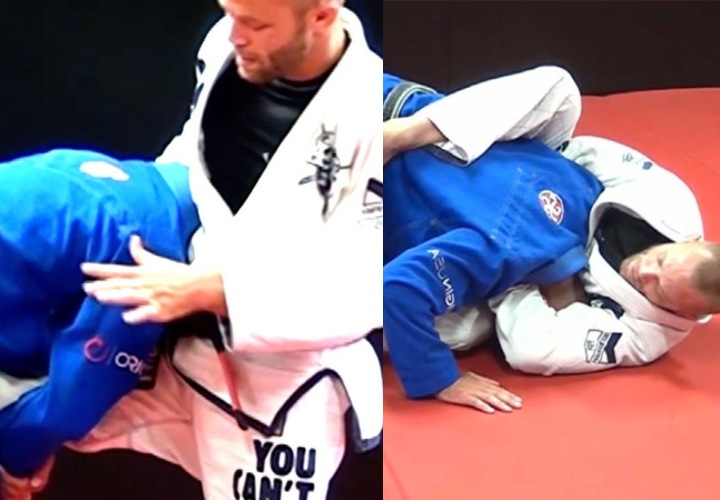
Takedown attempts should always be countered by a sprawl but what about defending and countering takedowns with a well timed guillotines.
The Guillotine Choke is a very powerful submission, one that gets all of the attention from everyone when performed correctly. However, if you don’t set it up properly, it can be defended swiftly and get you into a bad position all too easily.
Setting Up The Guillotine Without Losing Position & Compromising Yourself
Wrestlers do not have to worry about submissions in their sport.
So the guillotine is almost always there when they are executing their takedowns. Though they have a large arsenal of takedown options, they typically go for a single leg or a double leg takedown. It becomes a very predictable pattern, they shoot, you choke.
How many times have you tried a Guillotine and ended up on bottom getting crushed? Watch the video above if you want to understand the pros and cons about Guillotines:
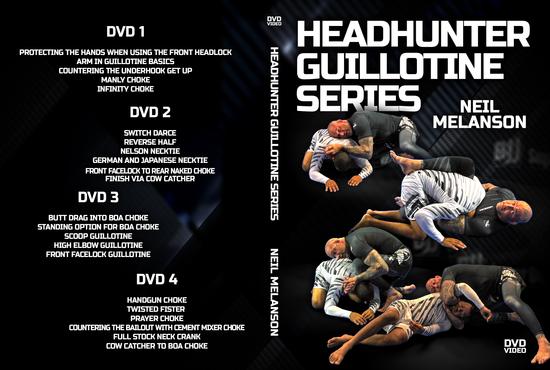
If you want to take you knowledge on the guillotine to the next level, Blackzillians head coach and grappling start, Neil Melanson just released a new DVD series, “The Headhunter Guillotine.” Neil is not your average grappler, he has a background in catch wrestling but he is able to adapt bjj and other grappling techniques. He is one of the BEST instructors in the world and people praise him. Check out his work below!