What’s the worst way to lose in a Brazilian Jiu-Jitsu match? Is it in the opening seconds? Is it by a submission that’s so low percentage that you’d rather never compete than be reminded of it again?
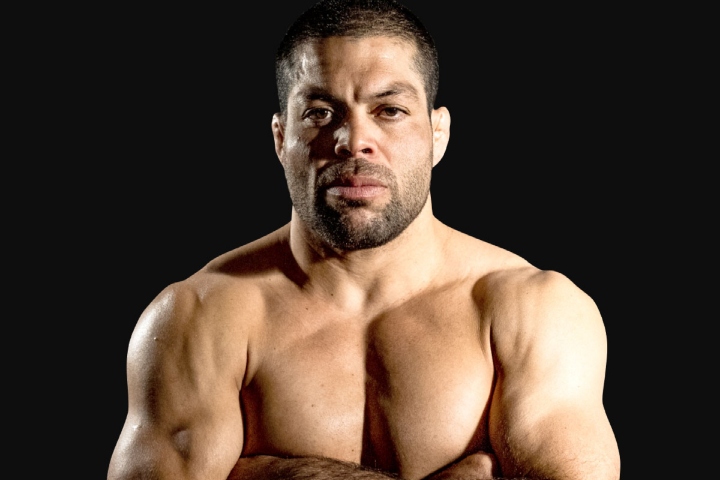
Well, Andre Galvao thinks that there is a worse way to lose… And it’s got nothing with what your opponent does.
He reminisced about the match between him and Buchecha that took place about 10 years ago, to deliver the message:
There is a match between Buchecha and I that I like to talk about – the Open Class final at the IBJJF 2013 Pans if I’m not wrong…
When the match ended, I raised my own arm.He defeated me, but I raised my own arm because I gave my best in training, I gave my best to my athletes, my team, and myself. I gave my best every day.
But he was better than me and he defeated me on a specific position.The fight was hard but I did my best. So I slept really well that day.
That is to say, the absolute worst way to lose is by knowing you did not do everything in your power to prepare:
But there are fights where you hesitate so much and you lack confidence, that you think about things you should have done.
This is the worst way to lose.So, if you have training, dedication, discipline, and you are giving 100% your best – there is no defeat, you are just learning.
View this post on Instagram