

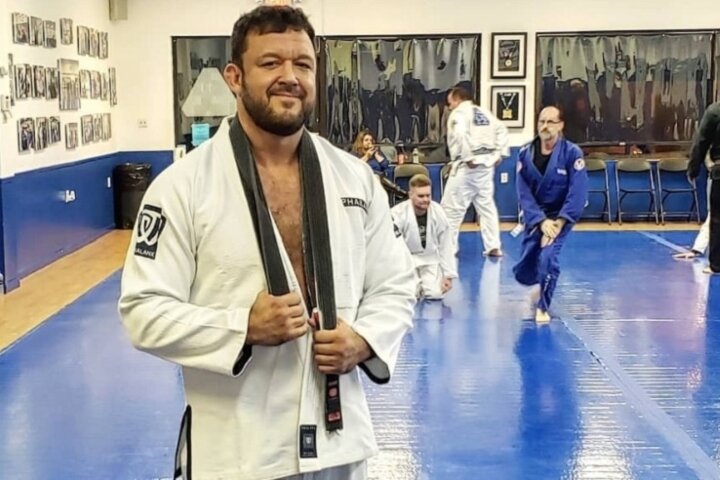
So you’ve started training later in life and you’re not a professional Brazilian Jiu-Jitsu athlete… But you want to train almost as if you were one. And the reason? It’s simple, actually: it’s the love of the Gentle Art, mixed with a drive to become the best that you can be. To find and develop the best version of yourself on the mats.
However, even though you want to train hard, that isn’t necessary. What’s more, it could be counter-productive to your progress and to your live overall. For that reason, you need to take some advice from Tom DeBlass.
You need to relax and take things slow with training (and competition) in Jiu-Jitsu. You have to find a way to keep training for a lifetime.
Here’s what Professor DeBlass has to say on the topic:
My advice for people starting Jiu-Jitsu later in life is: take it slow.
More is NOT better. You do not need to keep up with anyone. A couple times training a week is more than enough. Remember, unless you’re training to be a world champion, you must balance your life, with Jiu-Jitsu being a piece of your life’s puzzle.
Do NOT overdo it. If your instructor does not understand that, you should seriously consider finding a new instructor.
View this post on Instagram

What’s the one piece of advice that you think helped you most as an late-starter in Jiu-Jitsu? Let us know!
Sloth Jiu-Jitsu: The Ultimate Guide for Calmly Beating Bigger, Younger Opponents
💥 What if slowing down was the fastest way to win?
💭 Tired of Getting Smashed by Younger, Stronger Grapplers?
It’s not your age. It’s your strategy.
If you’re a passionate grappler over 35 who’s sick of getting outpaced, outmuscled, or out-cardio’d by opponents half your age — this 120 page e-book was made for you.
🔓 Unlock the Power of Sloth Jiu-Jitsu:

Build Sustainable Strength—Without Wrecking Your Joints, Energy, or Jiu-Jitsu
Tired of waking up sore and burnt out after lifting? Sloth Strength is a proven blueprint for grapplers over 35 who want to get stronger—without the pain, burnout, or injuries.
Developed from 25 years on the mats, this no-burnout approach is made specifically for BJJ athletes in their 30s, 40s, and beyond.


