The Kimura would be known as the Reverse Ude Garami, or the Double Wrist Lock in Catch Wrestling circles.
There are a lot of different names and sources to what we now know as the Kimura Lock. The most famous of them is the story of Masahiko Kimura, who the technique is now named after.
It is a very effective and powerful lock that can be placed from almost any position, top or bottom.
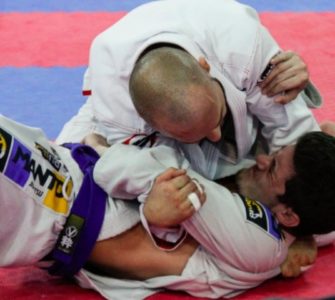
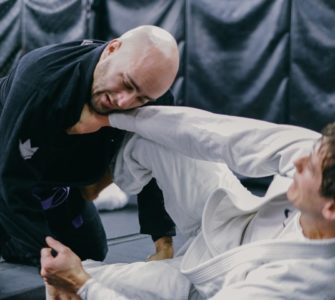
The Kimura from side control is one of the first submissions that you will learn in Jiu-Jitsu but is also one of the more complicated techniques to finish.
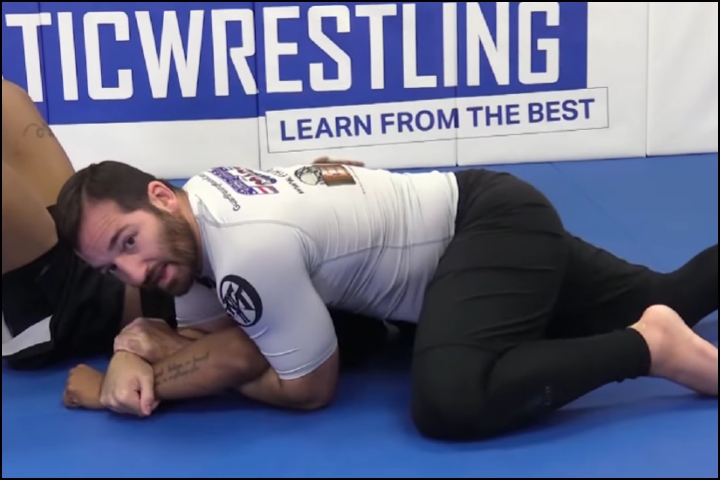
Did you know that there’s an option for finishing the Kimura with your body on the same side as the arm you’re attacking is? Yup, and it can actually be easier doing it that way; simply because of the way you can fixate the opponent’s arm and apply pressure against it.
Here’s how to execute this same side Kimura option, as demonstrated on the video below:
Master Legendary Kimura Fundamentals with 2009 ADCC Bronze Medalist, Decorated Career Grappler, and Coach David Avellan
- Let Freestyle Fighting Academy Owner and 2004 ADCC Superfight Champion David Avellan give your submission toolbox a massive upgrade with this complete guide to enhancing your kimura
- A Black belt under Ricardo Teixeira, David Avellan has defeated some of the biggest names in BJJ and is well known for for his dangerous kimura traps.