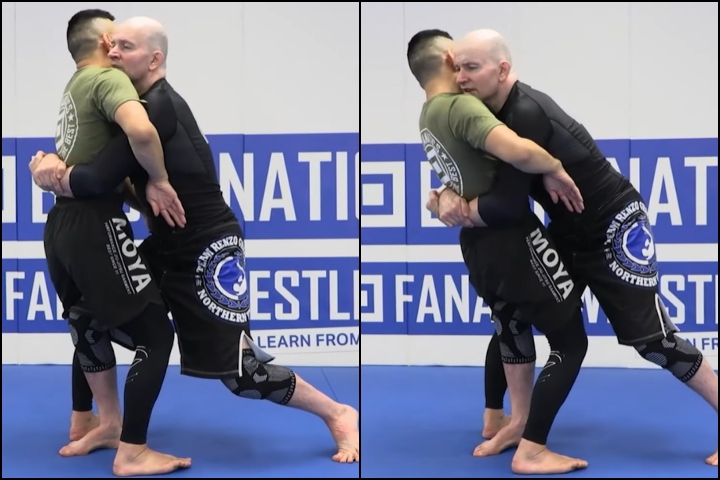
Upper body throws and takedowns look cool for the audience (and it’s DEFINITELY not fun for the guy landing on the mat) but that’s not why. There is real strategy going into this game plan! Instead of getting in on someone’s legs with a single or double, working hard to finish the takedown, and ending up trapped in closed guard (or worse, a dangerous choke or joint lock). You can also modify every throw so that you are always ending up in dominant position.
Once he grabs you how he wants, the system does the rest, and you always stay one step ahead of the competition. This is a technical, tactical approach to taking people down to the mat that doesn’t require you to be a big, strong lifelong wrestler. You just have to get into the system and let the moves do the talking for you.
The Back Bend Takedown is a fantastic takedown option for less athletic people… And you should definitely learn it – nevermind if you consider yourself athletic or not.
Here’s how to execute the Back Bend Takedown, as explained by John Danaher:
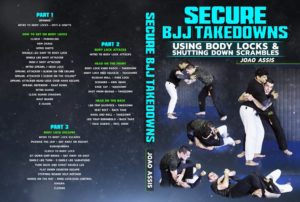
Master body lock strategies and improve your overall BJJ game with ADCC Champ Joao Assis.
- Assis ia World No-Gi Champion and an ADCC Gold and Silver medalist and has been a black belt since 2009.
- Learn how to use the clinch, the body lock, and various scrambles to finish takedowns and sweeps, helping you to score and win more standing exchanges.