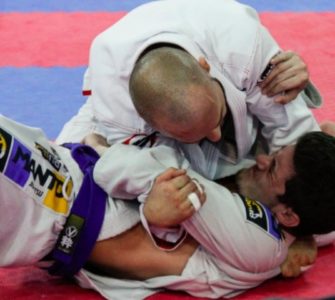
The triangle choke from guard is one of the first submissions that you will typically learn in BJJ. It is highly effective and will work at all levels.
There are so many ways to set up a triangle choke. To catch a technically superior opponent, you will need to have a very tricky and sneaky set up that will catch them off guard.
The triangle choke is one of the most common and also one of the highest percentage submissions in Grappling.
When executed perfectly, it is a powerful weapon which is very hard to escape.
There are so many micro adjustments that make it so much more effective. This is what some grapplers such as Rickson Gracie call “Invisible” details.
Triangle Chokes… Could never get enough of them, right?
There’s something extremely satisfying about setting up, timing, and then squeezing the Triangle for the tap.
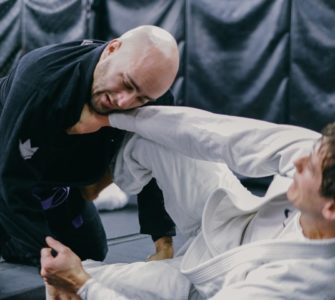
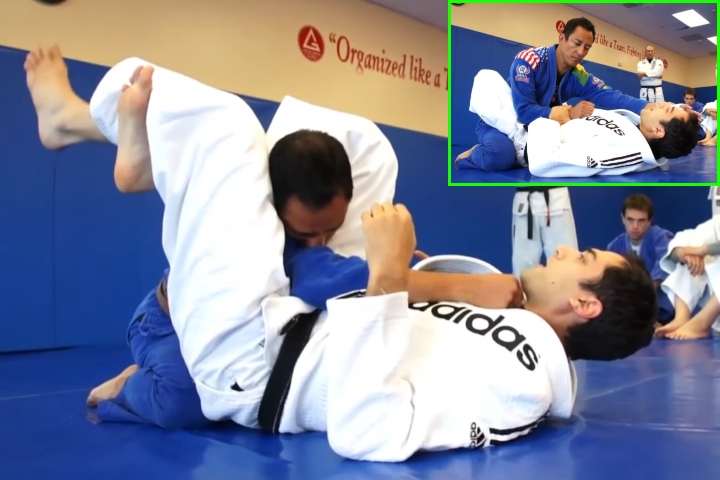
For example, here’s a basic Triangle Choke setup from Closed Guard – albeit with a somewhat different “action-reaction” detail.
Roy Dean demonstrates:
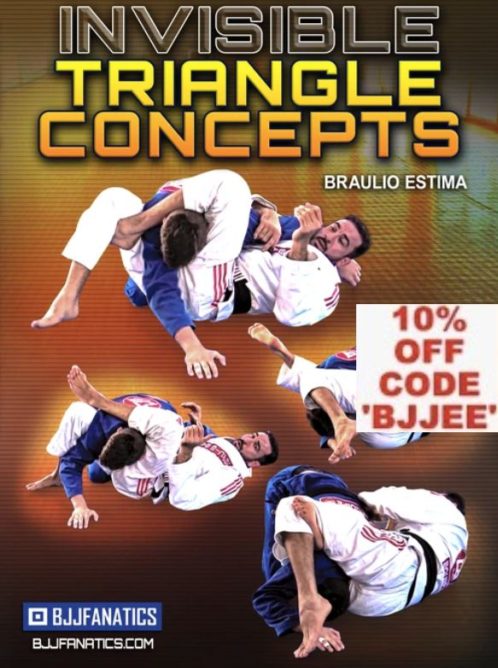
Attack The Hidden Triangle Chokes That Braulio Estima Used To Win 3 Black Belt World Championships & 2 ADCC Championships.
Catch your opponents from everywhere with these hidden and effective triangle chokes from Braulio Estima, one of the best triangle artists of all time.
Braulio Estima is one of the most innovative world champions of all time, winning in the gi and no gi by using a very technical and systematic approach to his attacks.