Looking Into Japan’s Judo Team Strength Routine (Sets & Reps Included)
If Judo or Jiu-Jitsu were a simple test of strength, we’d just line up barbells at the door, see who could lift the heaviest, and go home — never touching the mats.
Now wouldn’t that be silly?
But there’s a fascinating truth here: strength absolutely matters, but only when it’s trained, refined, and applied intelligently — the way Japan’s national Judo team does it.
The Paradox of “Using Less Strength”
Every white belt hears the same advice: “Don’t use strength, use technique.”
Yet, when you roll with an upper belt, sometimes that “technique” feels like a truck landing on your chest.
That’s because high-level grapplers don’t stop using strength — they’ve simply learned how to channel it efficiently.
The difference between a beginner’s brute force and an elite judoka’s precision power is timing, leverage, and control.
Shohei Ono — Power Meets Perfection
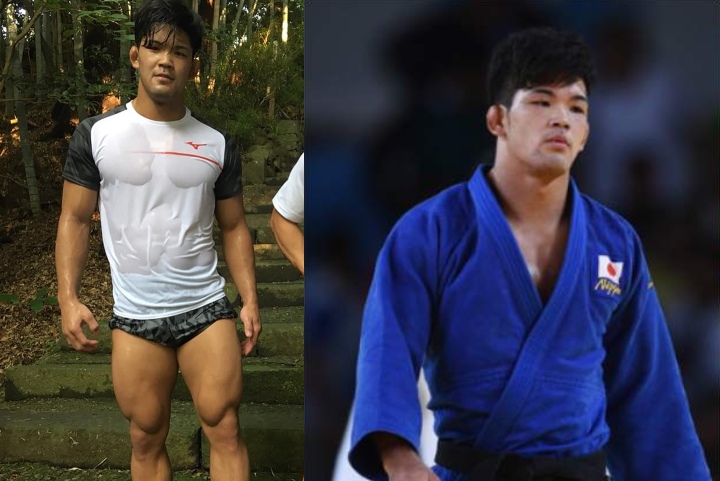
Shohei Ono, the three-time World Champion and double Olympic gold medalist, is the embodiment of this balance.
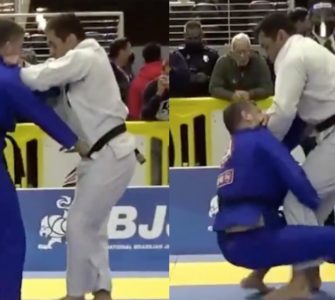
Competing at 73 kg, Ono famously threw the 130 kg Teddy Riner in randori — not through raw muscle, but through explosiveness, timing, and perfectly conditioned power.
Ono’s physical training emphasizes Olympic lifting, plyometrics, and solo technical drills that engrain reaction patterns into muscle memory.
His workouts are short, intense, and always sport-specific.
Inside the Japanese Judo Team Routine
Based on interviews from Tokai University and Japan’s National Training Center, as cited by Kotaro Sasaki and Japanese S&C coaches, here’s a breakdown of a typical weekly strength schedule for elite Japanese Judoka:
Weekly Split (Example)
| Day | Focus | Sample Work |
|---|---|---|
| Monday | Lower Body Power | Olympic lifts (Clean & Jerk 5×3 @ 70–85%), Back Squats 5×5, Jump Squats 4×6, Weighted Step-ups 3×10 |
| Tuesday | Technical Drills + Grip Strength | Band uchikomi 3×50, Rope climbs 4×max, Farmer carries 4×30 m, Gi pull-ups 3×12 |
| Wednesday | Upper Body Push–Pull | Bench Press 5×5, Barbell Rows 4×8, Overhead Press 3×10, Pull-ups 4×max, Core circuit 4 rounds |
| Thursday | Randori & Mobility | 6–8 rounds of randori, hip mobility, foam-rolling, contrast baths |
| Friday | Explosiveness & Speed | Power Cleans 5×3, Medicine Ball Slams 4×10, Sled Push 5×20 m, Bounding drills 4×6 |
| Saturday | Conditioning & Recovery | Circuit: Rope + burpees + band uchikomi (6 × 2 min), Sauna, Stretching |
| Sunday | Rest / Active Recovery | Light jog or swimming 20 min |
Accessory Work
-
Neck harness and band resistance for throw stability (3×15)
-
Isometric uchikomi holds (6×20 s per side)
-
Wrist roller + gi sleeve pulls for grip endurance
The Philosophy Behind the Routine
The Japanese program is built around three pillars:
-
Explosiveness first — power cleans, jump squats, and plyos before traditional lifts.
-
Technique integration — every strength movement mirrors a judo movement pattern.
-
Quality over fatigue — sessions rarely exceed 60 minutes; recovery and mobility are sacred.
As Sasaki explained in an interview:
“At Tokai University, we did weights four days a week, always before or after randori. The goal wasn’t to get big — it was to get faster and sharper.”
What BJJ Can Learn
For Jiu-Jitsu athletes, this Japanese model offers a lesson: strength training isn’t about lifting the most weight, it’s about teaching your body to apply force in harmony with technique.
That’s why when a 165-pound black belt feels like he weighs 220 — it’s not magic. It’s trained efficiency.
So, next time someone says “don’t use strength,” remember:
It’s not about less strength.
It’s about better strength — the kind that wins World Championships.
Ono packs some serious power and some serious technique. Competing at 73kg, you can see in the video how he threw the monstruous Teddy Riner during a randori session.
Sloth Jiu-Jitsu: The Ultimate Guide for Calmly Beating Bigger, Younger Opponents
💥 What if slowing down was the fastest way to win?
💭 Tired of Getting Smashed by Younger, Stronger Grapplers?
It’s not your age. It’s your strategy.
If you’re a passionate grappler over 35 who’s sick of getting outpaced, outmuscled, or out-cardio’d by opponents half your age — this 120 page e-book was made for you.
🔓 Unlock the Power of Sloth Jiu-Jitsu:
Build Sustainable Strength—Without Wrecking Your Joints, Energy, or Jiu-Jitsu
Tired of waking up sore and burnt out after lifting? Sloth Strength is a proven blueprint for grapplers over 35 who want to get stronger—without the pain, burnout, or injuries.
Developed from 25 years on the mats, this no-burnout approach is made specifically for BJJ athletes in their 30s, 40s, and beyond.