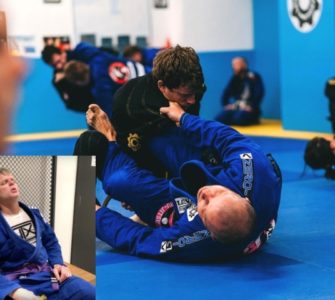
A kneebar (also known as legbar, kneelock or hiza-juji-gatame) is a leglock that can hyperextend the knee. The basic kneebar technique is similar to that of an armbar. The practitioner will trap the opponent’s leg in between their legs and secure the leg with their arms so the opponent’s kneecappoints towards the body.
The practitioner then applies pressure with their hips, forcing the opponent’s leg to straighten, hyperextending the knee joint. A variation of the kneebar is similarly accomplished, but instead of holding the leg with the hands, the practitioner will trap the opponent’s foot behind one armpit.
There are many ways to set up submissions in Brazilian Jiu-Jitsu, including the Kneebar… But some setups are tighter than others.
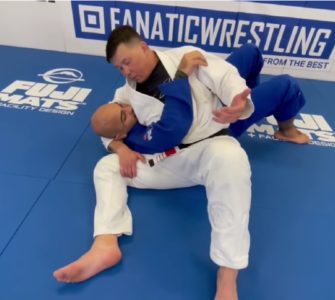
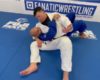
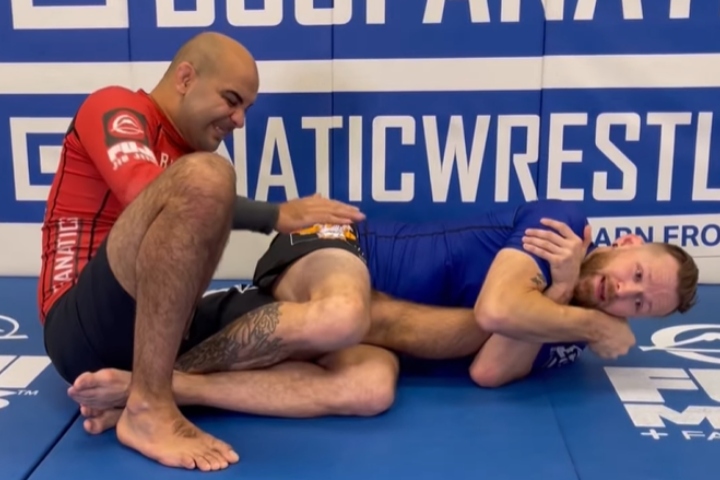
For example, this Kneebar setup from the Saddle position is probably the tightest one you’ve ever seen.
Drew Weatherhead demonstrates it below:
One Of The Most Popular Instructional Videos Ever Made On Leglocks – Just Got Updated & With Narrated Live Sparring – Get Inside Craig’s Head As He Spars!
Craig Jones’ Battle Tested Leglocks Builds On The Original But Goes Much Further Teaching New Techniques Developed Over The Last 2 Years & Hundreds Of Matches Later
Update and upgrade your leg lock library with this new 4-volume instructional series from one of our favorite teachers, Australian standout Craig Jones.