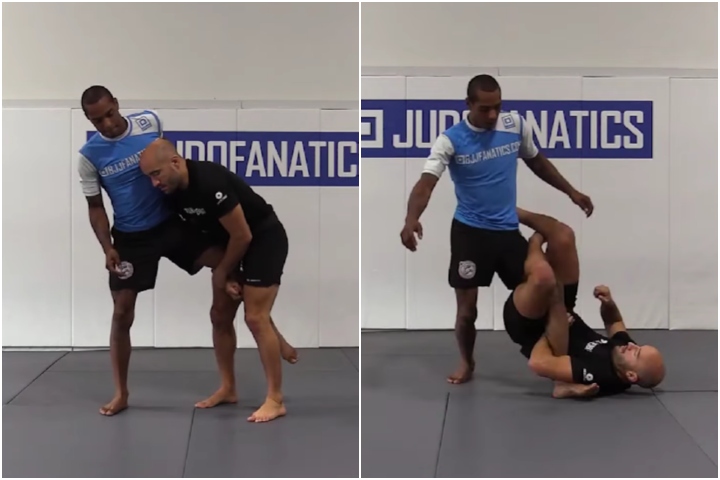
It’s no secret that many Brazilian Jiu-Jitsu students aren’t particularly good at wrestling. Some even go as far as never adding wrestling to their training schedule – which is a grave mistake. And an enormous shame, because learning how to wrestle would improve their Jiu-Jitsu by tenfold.
Wrestling is one of the most rewarding martial arts in the world. It provides many opportunities for fun competitions while teaching you values that will stick with you for the rest of your life, like discipline, hard work, and perseverance.
In order to get the most out of your training, there are certain basics you need to understand. Your understanding of these concepts will make your time on the mat a lot more productive.
However, sometimes you will have to adapt wrestling to your BJJ game. Here is how to do it from both a defensive and an offensive standpoint, as explained by Nicolas Renier:
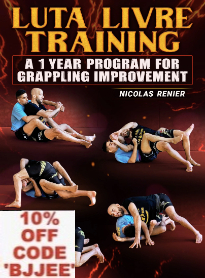
Upgrade Your Grappling Pedigree with A One Year Program For Rapid improvement Featuring Multiple Time ADCC Vet Nicolas Renier.
- Luta Livre Black Belt Nicolas Renier is a multiple-time ADCC Vet and world-class competitor that will help you polish your grappling fundamentals and add dangerous new tools to your arsenal.
- Experience an entire season of curriculum just as Renier’s students in his Paris academy would, and get the techniques, concepts, and principles your need for rapid BJJ improvement.