Breaking Closed Guard is one of those things that a lot of BJJ athletes – especially white and blue belts – have quite a bit of trouble with. Especially when they’re going against someone who has a strong Closed Guard and who is passive in his/her attacks; and whose sole purpose in the roll/match is to keep them inside that position.
So, if you’re having trouble with breaking Closed Guard… If you’re constantly getting off-balanced and swept while in it, then it might be a good time to tune in to some of the advice from Nick “Chewy” Albin.
TIPS FOR BREAKING CLOSED GUARD
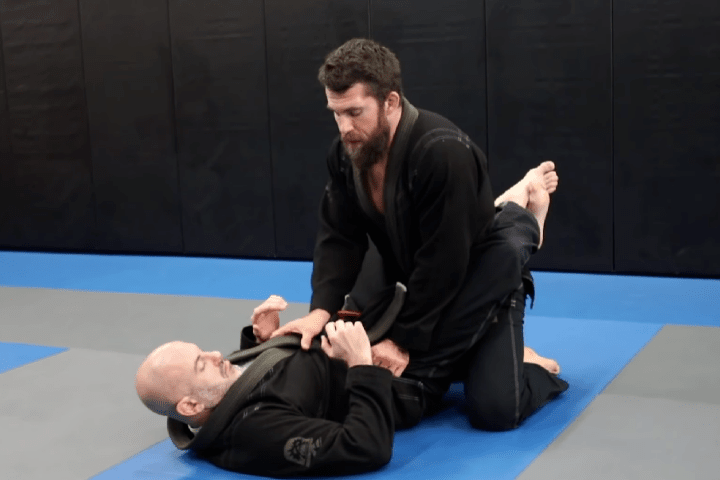
The number one tip that you should adhere to is not leaning over the opponent’s belly button/belt line. Simply put, if your head goes over this imaginary line, you’ll be much more susceptible to being off-balanced. So, make sure that you have a good posture.
Secondly, you need to lock your arms up and push into the opponent. This will ensure that their body will remain flat. Otherwise, they’ll be able to elevate their hips and threaten you with off-balancing, sweeps, and even submissions.
And finally, keep a wide base throughout your guard break setup. A lot of beginners bring their knees together while setting themselves up for standing up; this is a no-no, as having your knees together makes you an easy sweep target.
Watch how to do this on the video below: