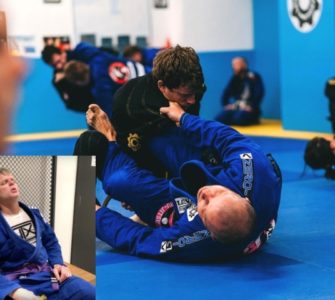
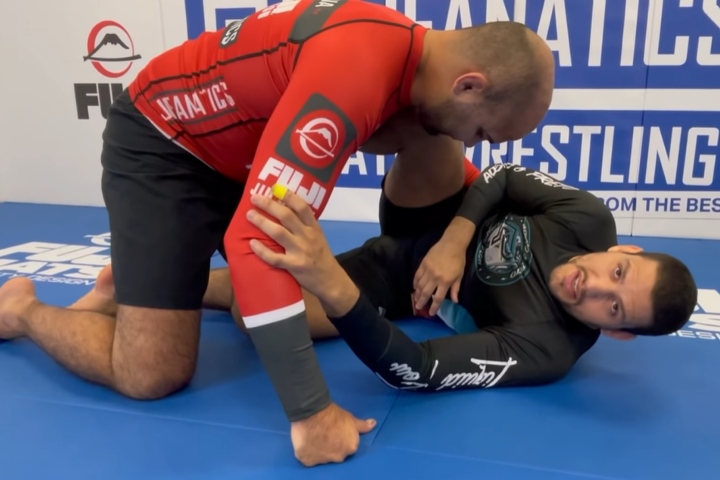
Be honest with us… Do you feel like you’re a bit behind the “modern” game in Brazilian Jiu-Jitsu? If so, then you’re probably not playing the Z Guard game, either.
But hear us out – you’re missing out on a lot. There are so many options from the Z Guard that you might find that it fits your game perfectly.
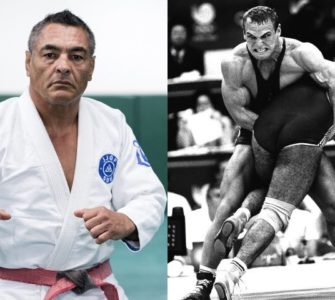
The use of half guard and all of its variations is all the rage right now. More and more jiu jitsu practitioners are following the lead of Roberto “Gordo” Correa who was the first well-known competitor who began to popularize the half guard position in the 90’s. What had been thought of as a last ditch ‘Hail Mary’ to prevent the guard pass, began being utilized and developed as a position in and of itself. The irony is that Gordo’s entire use of the position began because of a knee injury that prevented him from playing other types of guard.
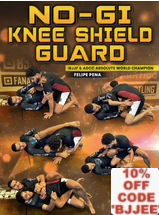
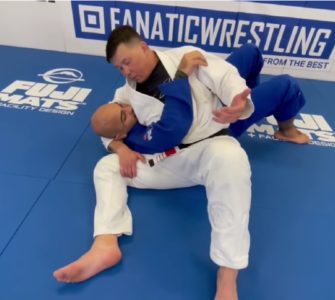
Here are some basics behind the technique, as demonstrated by Felipe Pena on the video below:
Felipe Pena is one of the most successful black belts of his generation, with three black belt world championships in the gi including the 2021 IBJJF Absolute World Championship.
- Create opportunities for sweeps, back takes, submissions, and more to keep your opponent on the defensive as you flow through your arsenal.
- Work systematically from your guard based on what they are giving you, so that you can be efficient and patient in your movements.