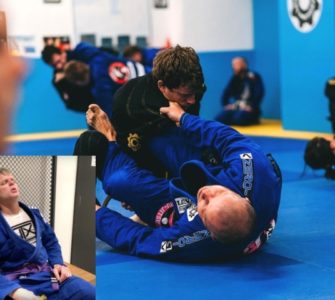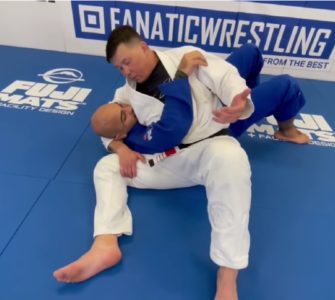
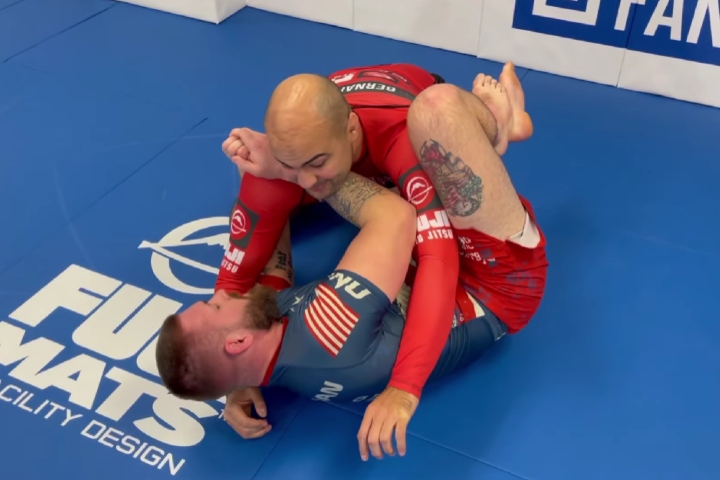
Escaping Side Control & Mount will never get easy… Especially when you roll against someone who knows what they’re doing – someone who’s using that Crossface as if it’s going to be the last one in their lives.
Luckily enough, Gordon Ryan has decided to share a crucial concept for escaping these two positions: “cranium control”.
THE “CRANIUM CONTROL” CONCEPT – USE IT FOR YOUR ESCAPES
Ryan explains that, in order for your training partner to be able to submit you from Side Control and Mount (and, actually, to be able to control you in the first place), they have to establish cranium control – the control over your head and of your shoulders.
So, your primary goal when escaping these two dreaded positions should be to free yourself from the Crossface and its variations! As soon as you do that, you’ll be able to regain complete inside position… Which is necessary if you want to start imposing your own game instead.
On the flip side, however, if you’re stuck in North-South, your training partner isn’t controlling your head; so, things change a bit when it comes to your escapes.
In this case, Gordon emphasizes that you should either try to regain complete inside control immediately – or to shift in such a way that you end up in Side Control again.
He shares much more details on the video below and shows some of the actual techniques that you can use: