Do you want to elevate your BJJ game to a whole new level? One of the absolute best ways to improve your BJJ is to learn leg locks. Leg locks have seen a renaissance over the last few years, and many of today’s top athletes have included them in their game. Leg locks are super useful in not only finishing a match but can also create situations where you can improve your position. Today we will talk about the most classic of all leg attacks – the ankle lock.
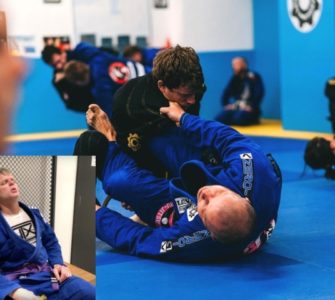
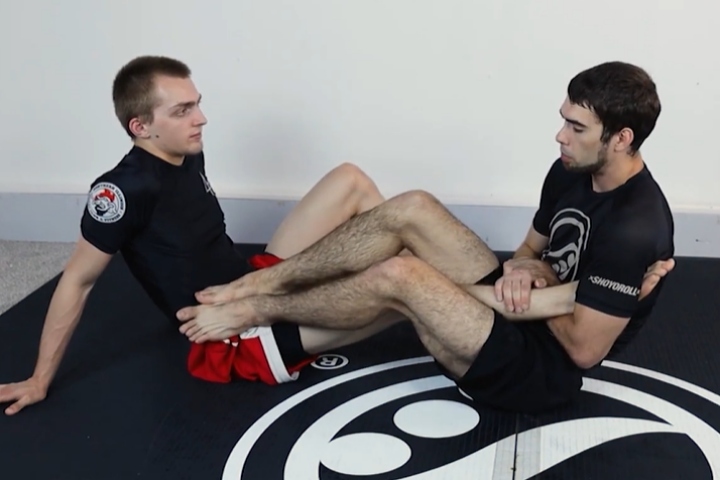
Whenever you’re in the position to have both of your feet on the opponent’s hips, as well as an Ankle Lock in place… You have an opportunity to quickly finish the match.
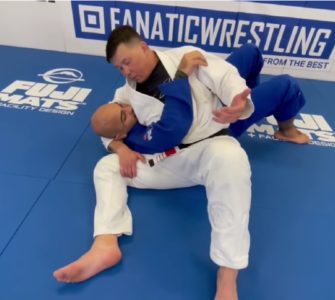
Here’s how to do it. Sathya “Bird” Wiltse demonstrates on the video below:
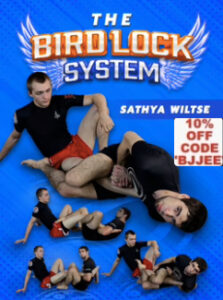
Attack The Legs With Pedigo Submission Fighting’s Sathya “Bird” Wiltse’s Innovative Bird Lock As He Shows You The System You Can Use For This Powerful Ankle Lock.
- See how a simple grip change can help you get a much more powerful ankle lock as Bird Wiltse shows you his signature Bird Lock that has built him a reputation in competition as a dangerous submission artist.
- Finish these ankle lock variations from everywhere with Bird’s advice on how to get the tap from a traditional ashi garami, against standing opponents, 50/50, and much more.